Architectural Photography

Capturing the Vision: Photographing Central Kitsap Fire & Rescue Station 57 with Rice Fergus Miller

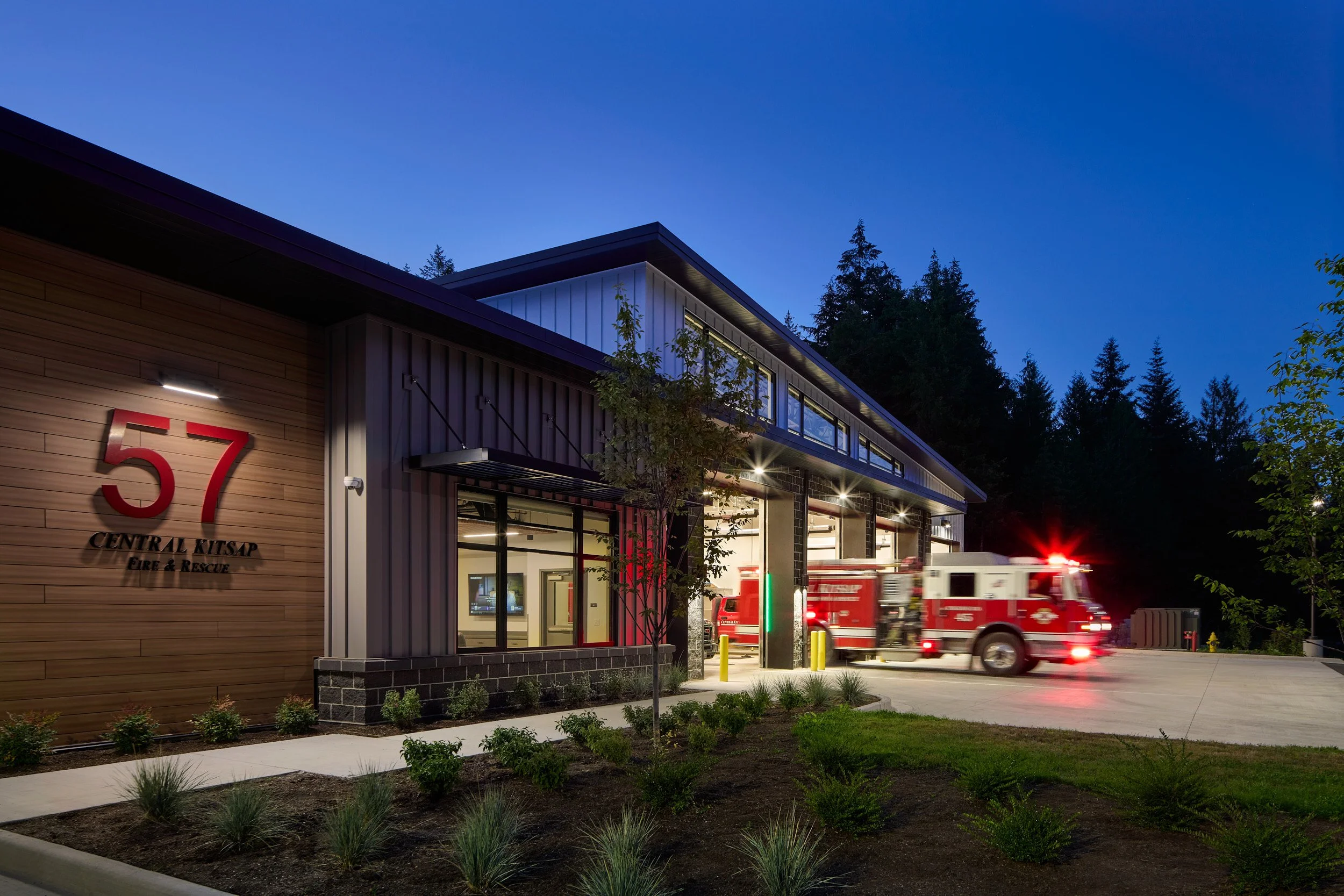
Central Kitsap Fire and Rescue Station 57 is a newly designed and built fire station that serves the Lake Symington, Lake Tahuya, Crosby, Holly, and surrounding Seabeck communities in Kitsap County, Washington. We recently photographed this state-of-the-art facility, a project by Rice Fergus Miller, the Berschauer Group, Inc, and Reid Middleton, Inc.

Central Kitsap Fire & Rescue Fire Station 57, Lake Symington, Washington.

From ‘money’ shots to details, Doug has an excellent eye for capturing the essence of the projects we design. We don’t hesitate to pick up the phone and let Doug know when we have another project that needs to be photographed!
— Erin Hatch, Director of Marketing, Principal, Rice Fergus Miller

Each architectural photography project requires meticulous planning to capture effectively and to communicate the essence of a building and to convey its design intent.

Here is a breakdown of the essential steps we take to ensure it’s success!.

This new station houses modern fire and rescue apparatus, providing enhanced capabilities for firefighting, emergency medical services, and other rescue operations.

Capturing the essence of a design isn't just about showing up with a camera. It's a collaborative journey that begins long before the shoot and continues long after. Let's take a look at the steps involved, from initial planning to the final polished image.

All the while we must be reminded that "‘the best photographs are born not in the camera, but in the mind’.

Understanding the Project and Client's Vision:

  • Initial Consultation: Begin with a thorough discussion with the client (architect, designer, or property owner) to understand their objectives, desired mood, and key features they want to highlight.

  • Review of Architectural Plans and Drawings: Study the building's blueprints, elevations, and site plans to get a comprehensive understanding of its layout, orientation, and design elements.

  • Define the Scope: Determine the specific areas of the building to be photographed (interior, exterior, or both), the number of images required, and any specific shots or angles desired.

  • Establish a Budget and Timeline: Discuss the project budget, including photography fees, travel expenses, and any additional costs (e.g., equipment rental, post-processing). Set a realistic timeline for the shoot and post-production work.

Well-equipped and designed kitchens include spaces for healthy meal preparation and social interactions.

Planning the Shoot:

  • Determine Optimal Time of Day: Consider the sun's position and its impact on the building's facades as it moves throughout the day. [Our goto app for this is The Photographer's Ephemeris} "Golden hour" (early morning or late afternoon) often provides the most flattering light. Dusk timing is critical!

  • Weather Considerations: Monitor weather forecasts and plan for potential contingencies (e.g., rescheduling due to rain or heavy overcast skies).

  • Equipment Selection: Choose appropriate lenses (wide-angle, telephoto, tilt-shift), camera bodies, tripods, and lighting equipment based on the project requirements.

  • Styling and Staging: If necessary, coordinate with stylists or assistants to prepare the building for the shoot, including furniture arrangement, cleaning, and prop placement.

Doug has a terrific eye that further rewards our team by beautifully capturing our projects and the pride we have in the work we do and in the Districts we work for. Doug has a great process of discussing with the client and owner what images & features are most relevant and then works to photograph them in the best way. He also ensures that the fire station staff and equipment are available so that we can all see the public service in action, which is great since that’s what these stations are all about! We are honored to be working with Central Kitsap Fire and Rescue and Rice Fergus Miller in improving these stations and the public service and safety they provide.
— Brian Matsumoto, PE, SE – Reid Middleton, Inc.

Hörmann doors are featured throughout the design emphasizing safety and innovation with a focus on durability.

We thoroughly enjoyed collaborating with Hormann on this project. Their exceptional technical assistance during the design phase ensured seamless integration of their high-speed overhead doors with our architectural vision. Their expertise not only helped us achieve precise detailing but also gave us confidence in delivering a design that was efficient and reliable.
— Jason Ritter-Lopatowski, Project Architect, Principal, Rice Fergus Miller

Communication and Coordination:

  • Clear Communication: Maintain open communication with the client throughout the planning process, providing updates and addressing any concerns.

  • Schedule and Logistics: Finalize the shoot schedule, including arrival times, breaks, and any specific instructions for the on-site team.

  • Confirm Client Presence: Determine if the client or a representative will be present during the shoot to provide feedback and ensure their vision is being met.

Firefighters moving through common space towards apparatus bay responding to a call.

Post-Production and Delivery:

  • Image Selection and Editing: Carefully select the best images from the shoot and perform necessary post-processing, including color correction, perspective adjustments, and retouching.

  • Client Review: Provide the client with a selection of edited images for review and feedback.

  • Final Delivery: Deliver the final images in the agreed-upon format and resolution, ensuring they meet the client's specifications.

The Role of the Relaxing Room in Fire Station Design. A well-designed relaxing room is a vital sanctuary, providing stress reduction, mental recharge, and provides social connections.

Additional Considerations:

  • Safety: Prioritize safety during the shoot, especially when working at heights or in challenging environments.

  • Insurance: Ensure appropriate insurance coverage for equipment and personnel.

  • Copyright and Usage Rights: Clarify copyright ownership and usage rights for the photographs with the client.

By adhering to these steps we plan and execute each architectural photography project to capture the beauty and essence of a building while exceeding our client's expectations.

Drone view shows early morning training and the station in context to the beautiful surroundings.

Ultimately, for each photography project our aim is to illuminate the architect's vision, and to bring their creative concepts to life! Powerful photography helps architects communicate their design to clients, fostering a clear understanding and appreciation of the project!
CKFR57’s strategic location is expected to significantly improve emergency response times for residents in the area.

Vertical detail showing the forms and surfaces used in the design of CKFR 57.

Incident mapping, resource tracking, and communications are essential for enabling virtual meetings and coordination with other departments during emergencies.

The station includes sleeping quarters which are essential for rest and privacy, especially during long shifts.

Exhaust Extraction Systems are designed to capture and remove diesel exhaust fumes from the apparatus bay. They typically use powerful fans to vent the exhaust outside the station.

Dusk image features the engines backed into the apparatus bays as they return from an evening call.

FROM PROGRAM TO PLACE... an architect’s vision comes to life. My role is to illuminate that vision, capturing the soul of their design through the art of photography. This process, from meticulous pre-production planning to the final post-production touches, is all about understanding and showcasing their unique perspective. It’s about translating their dreams into compelling imagery that resonates with their clients and the world.
— Doug Walker, M.Photog., CPP, Walker Photography

Terminal Park Elementary - A Nod to the Past, Built for the Future!

East Facade with main entry of the Terminal Park Elementary School in Auburn, Washington. Here we carefully included people to provide “activation", which transforms architectural photography from static images of buildings into dynamic portrayals of spaces that serve people.

The City of Auburn has a new shining star in its educational landscape: Terminal Park Elementary School.

This state-of-the-art facility, a collaborative effort between Skanska and NAC Architecture, is not just a building; it's a testament to the community's commitment to fostering young minds.

Terminal Park Elementary, designed by NAC Architecture, echoes the aesthetic of a classic train station, a nod to its namesake and the neighborhood's railway heritage. The school's red brick exterior and the library's soaring, box-beam ceiling are prime examples of this design motif.

Coughlin Porter Lundeen's structural engineering expertise ensured the building's structural integrity and functionality, while also contributing to its sustainable design.

Large historical train images grace the open corridor giving context to the history of the region. Here a student provides a clear sense of scale, helping viewers understand the size and proportions of the building.

Working on Terminal Park Elementary has been an incredibly rewarding experience, especially as it marks the culmination of our series of four elementary schools for the Auburn School District. The photoshoot process was thoughtful and took a creative approach to capturing the essence of our design, from the intricacies of the interior spaces to the stunning exterior shots. The team was highly collaborative and inclusive of our feedback, ensuring that every angle reflected our vision. The final set of photos beautifully showcases the project’s unique character, drawing from the railroad terminal design vernacular, and I’m thrilled with how they bring the school’s story to life. It’s been an honor to contribute to a project that will serve the community for generations to come, and these images perfectly encapsulate that legacy.
— Karee Loghry, AIA, LEED AP - NAC Architecture

Built by Skanska, Terminal Park Elementary boasts modern classrooms, cutting-edge technology, and spacious common areas. The school is more than just a place for learning; it's a community hub designed to foster interaction and engagement.

Open and airy pathways greet students as they move between classes.

Terminal Elementary boasts a variety of classrooms, including specialized learning spaces. The school also features a music room, gymnasium, kitchen, library, and a covered outdoor play area. Administrative offices are located on-site.

South East Corner, showing library and East facade with main entry. The interaction of people with the space reveals spatial relationships and how the architecture enhances human activity.

We couldn’t have asked for better weather, with the beautiful blue skies adding a perfect touch. The student models were outstanding, and the final collection of images showcases the project brilliantly. I’m extremely happy with how everything came together. Thank you for your exceptional work and attention to detail.
— Julia Wrigley ~ Senior Associate / Corporate Graphic Designer - NAC Architecture

The library features stunning large windows and a box-beam ceiling providing a bright and airy environment to explore and learn.

Our team is honored to have contributed to the Terminal Park Elementary School project, which celebrates Auburn’s history while providing a state-of-the-art learning environment for the future leaders of tomorrow. The final set of photos have masterfully showcased several of the projects design elements while capturing the high-quality workmanship that helped bring this project to life.
— Kyle York, Senior Project Manager, Assoc. DBIA - Skanska USA

From the inviting playground to the state-of-the-art library, every space is designed to inspire and enrich the lives of students and the community.

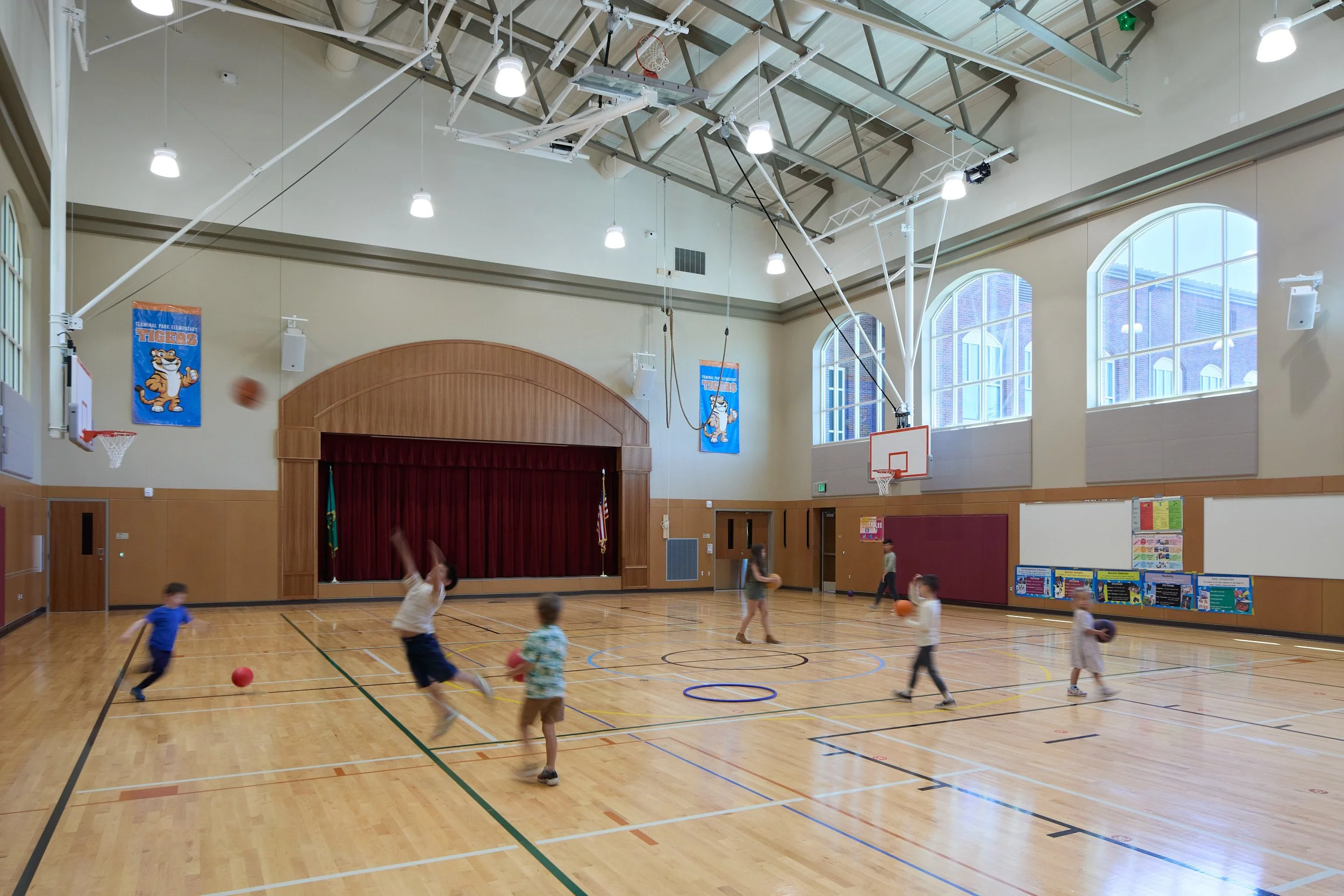
Kids enjoying the gym bathed in soft afternoon light.

One of the classrooms on the 2nd floor bathed in soft light.

As an architectural photographer, my constant focus is on translating your building’s design into a compelling story. Harnessing a deep understanding of architectural principles, I leverage lighting and composition into images that not only showcase the structure but also convey its intended atmosphere and functionality.

This project is the fourth and final school funded from the 2016 Building for Learning bond.

Terminal Park Elementary is a testament to the Auburn School District's commitment to educational excellence. This new school not only provides students with an exceptional learning environment but also enhances the overall quality of life in the community.

Architectural photographers are essential partners for architects in bringing their designs to life. Their role extends beyond simply taking pictures of buildings. They serve as visual storytellers, translating the architect's design into captivating images that resonate with clients, the public, and the industry.

Breathing New Life into History: Doug Walker's Architectural Photography Captures Central Washington University's Nicholson Pavilion Renovation

Central Washington University's Nicholson Pavilion has undergone a dramatic transformation, and architectural photography is the perfect medium to capture its exciting new look. This iconic building, a cornerstone of the university's Health Education programs, has been modernized and expanded to create a state-of-the-art facility.

Here a photo highlighting the juxtaposition of the original facade and sleek lines of the new addition provides contrast and effectively tells the story of Nicholson Pavilion's evolution. Photo: Doug Walker

Four industry leaders come together for a dynamic 2-day architectural photography project

Lydig Construction, studio MENG STRAZZARA, PCS Structural Solutions, and Hastings+Chivetta all partnered in an upfront cost-share opportunity to create a stunning visual showcase of their work and save money at the same time. A time-honored process that produces a win-win situation for everyone involved. Be sure to ask us about this sometime.

Preserving the Past, Embracing the Future

The renovation project presented a unique challenge: honoring the building's history while propelling it into the future. Final Architectural Photography showcases this transformation beautifully.

Front detail elevation shows roof support system bathed in afternoon light. Photo: Doug Walker

Light, Form, and Function

The play of light within the renovated Nicholson Pavilion / Health Education Project offers a wealth of photographic opportunities. For all my shoots I pre visualize the working shot list against sun angles. Today's ‘Sun apps' empower photographers to pre-visualize the 'best time of day' to capture light's magic. By strategically choosing shot times down to the minute, we can not only showcase a sense of openness and vitality by depicting light streaming through windows and classrooms, but also reveal the building's texture and depth. This interplay of light and shadow throughout the day sculpts the form of the Nicholson Pavilion, highlighting its architectural details and ultimately, its function as a space for health education."

Open and airy front lobby shows connectivity to various areas of the facility. Photo: Doug Walker

I really enjoyed working with you on this shoot. Appreciated the extra effort you put in to work with me on location and to capture the image/vision I wanted. You captured the light filled space and sense of movement within the architecture of the building and the users.
— Steven H. Lee LEED AP BD+C Principal - studio MENG STRAZZARA

The Nuts and Bolts of this Architectural Photography Project

The newly renovated Nicholson Pavilion is a testament to Central Washington University's dedication to providing a world-class health education experience. Architectural photography is a powerful tool to share this story and inspire the next generation of health and wellness design professionals.

The project budget $60.5 million (construction cost ended up 52.3M) Health Education Project…funded from a state appropriation, includes:

• Renovating and updating the existing performance gymnasium/convocation center, locker-rooms, and Nicholson Pavilion classroom, office, and meeting spaces

• Addition of new weight areas with new equipment

• Expansion of the fieldhouse

• Construction of a new lobby/vestibule area

• Renovations to adjacent Purser Hall to create new classroom and meeting space

Drone images are crucial in todays visual story

Don't forget the building's form and function. A wide drone shot showcases the newly connected Nicholson Pavilion and Purser Hall and showcases this cohesive health education complex.

Dusk drone image of the Central Washington University's Health Education Building shows the connection between Purser Hall and Nicholson Pavillion. Photo: Doug Walker

GO CATS GO is the rally cry! This new Nicholson Arena is a jewel in the crown of the Central Washington University Athletics. Photo: Doug Walker

A sun-filled corridor which connects the lobby/vestibule area…past the arena…to the fieldhouse. Photo: Doug Walker

Multiple sports use this Fieldhouse for practice in inclement weather. Here a teamate is throwing to a lifted player in the line-out. Photo: Doug Walker

Details Tell the Story

Architectural photography excels at capturing the details that breathe life into a space. Tighter shots with clean lines all contribute to this story of the Nicholson Pavilion's transformation.

A detail of the anchoring points for the original tension supports with new landscaping. Photo: Doug Walker

A classic 2/3rds elevation showing how the projects flows and connects from Purser Hall on through the Pavillion. Photo: Doug Walker

The large open and airy vestibule/lobby area with connections to classrooms on the second floor. Photo: Doug Walker

A Beacon for Wellness

Ultimately, architectural photography of this renovated Nicholson Pavilion should inspire viewers of the impact to students and the broader community. By showcasing the building's functionality, beauty, and commitment to health and wellness, these photographs can become a beacon for a new era at Central Washington University and an essential part of my clients ongoing marketing and publishing efforts.

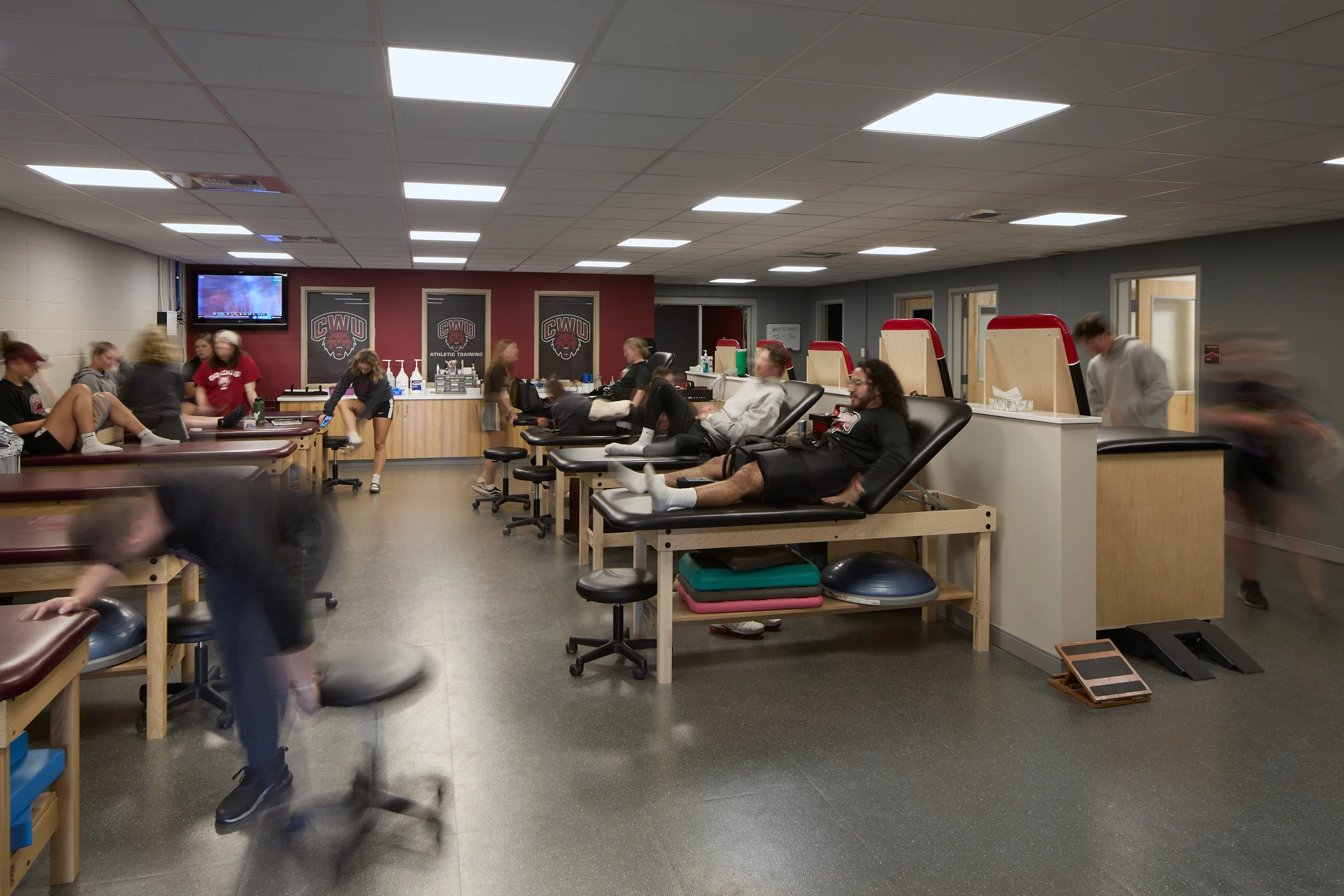
An updated training and sports medicine area. Photo: Doug Walker

Beyond the Photos

While captivating photos are essential, consider including a photographer's perspective in your blog post. Insights into the challenges and rewards of capturing the building's essence will add another layer of interest for your readers.

The newly renovated Nicholson Pavilion is a testament to Central Washington University's dedication to providing a world-class health education experience. Architectural photography is a powerful tool to share this story and inspire the next generation of health and wellness professionals.

The $60.5 million project, funded from a state appropriation, includes:

• Renovating and updating the existing performance gymnasium/convocation center, locker-rooms, and Nicholson Pavilion classroom, office, and meeting spaces

• Addition of new weight areas with new equipment

• Expansion of the fieldhouse

• Construction of a new lobby/vestibule area

• Renovations to adjacent Purser Hall to create new classroom and meeting space

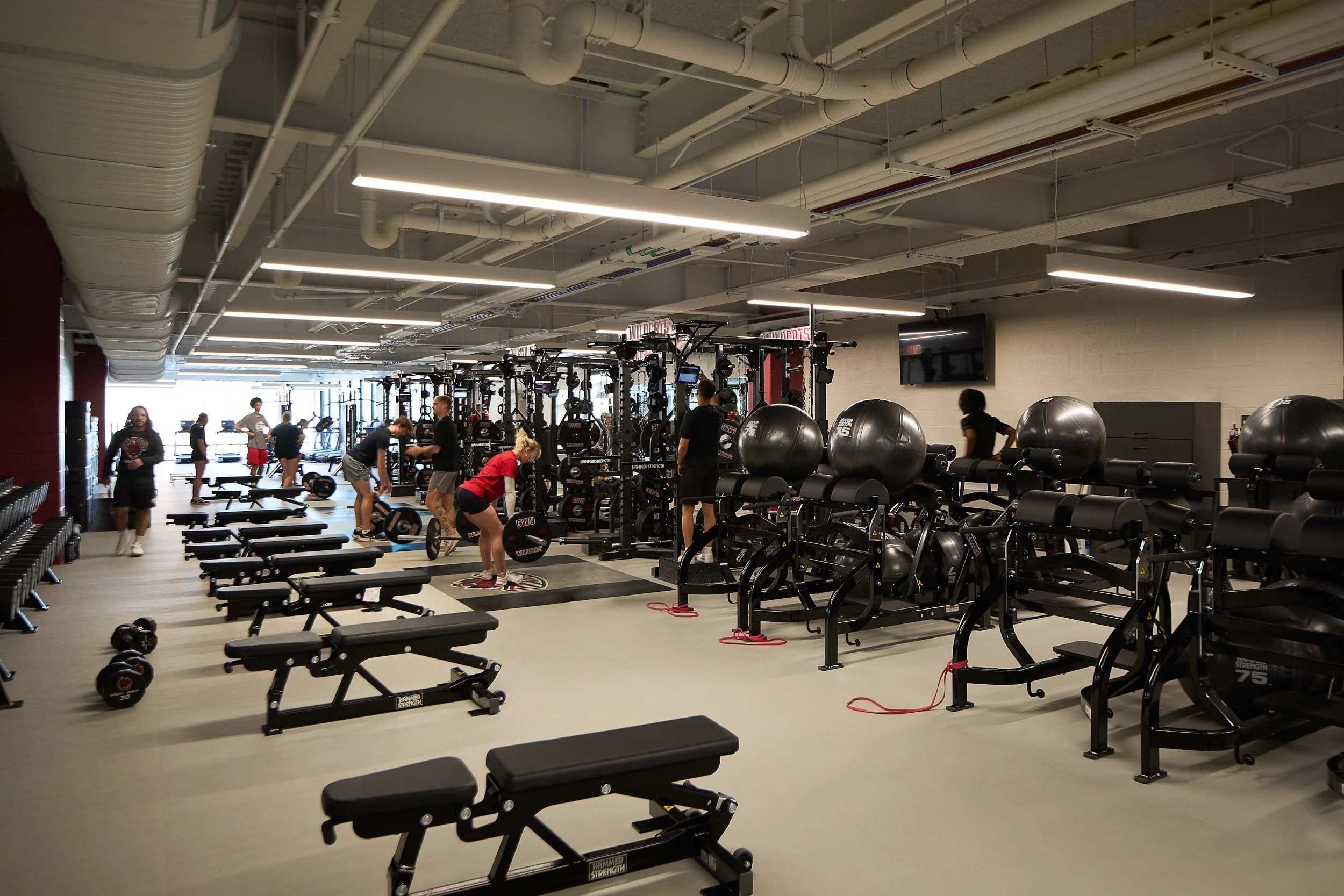
A full-size sports weight room for the students and athletic department. Photo: Doug Walker

Structural work from the folks at PCS Structural in the new Fieldhouse. All new construction. New tresses span field house. Modern way to match cable span…. Photo: Doug Walker

Second floor gym is situated above the field house with a short climbing wall. Photo: Doug Walker

A pre-dawn drone view of the CWU-HEB complex shot from the Eastern Fieldhouse side of the project. Photo: Doug Walker

Thanks for checking this project out. We invite you to Inspire your next project and see how impactful visuals can elevate your design narrative!

Gambling with Silence: Architectural Photography of a New Casino During the Pandemic Pause

I recently had a unique privilege and opportunity to photograph a grand casino project whose construction was completed during the pandemic. The Emerald Queen Casino in Tacoma, Washington, opened in June, 2020, right in the middle of the pandemic.

The Puyallup Tribe of Indians proudly unveiled their award-winning Vegas-style Emerald Queen Casino, a stunning creation by Cuningham Group Architects (Minneapolis & Las Vegas) and the joint-venture construction team of Absher Construction and Kitchell Contractors (AbsherKitchell). The project was a rather massive undertaking with planning and infrastructure work beginning some 15 years prior but actual construction beginning around October of 2017.

A beautiful and energetic West Elevation ‘hero’ dusk image of the Emerald Queen Casino

Nestled amidst the bustling streets of Tacoma, Washington, the Emerald Queen Casino stands as a beacon of innovation and cultural pride. Owned and operated by the Puyallup Tribe of Indians, this 820,000-square-foot, $370 million marvel seamlessly blends the glitz and glamour of Las Vegas with the rich heritage and triditions of the tribe.

A hero image of the atrium lobby entrance which leads up to the main gaming floor

Once in a Lifetime! There is nothing quite like seeing a casino project without the throng of patrons. There is a monumentality about seeing a space in this moment. Capturing the casino's grand scale, its towering ceilings, sweeping escalators, and opulent chandeliers, all worked to emphasize awe-inspiring architecture even without the human element.

Flowing pathways move you through the main casino floor to the restaurants and other venues. Capturing how the space functions and flows is paramount to telling the architect's story and approach to user experience.

Wayfinding and identification elements throughout the casino floor and amenities provided by Hunt Design These beautiful elements are essential for making large buildings user-friendly and accessible for everyone. They enable smooth navigation, informed decision-making, and a more positive experience for all.

“As a design firm, we appreciate Doug's skill in capturing the essence of the project, and allowing the signage elements to be featured in context with the architectural environment. His keen eye has beautifully incorporated our work in the visually rich environment of the casino” ~ John Temple, Principal, Hunt Design

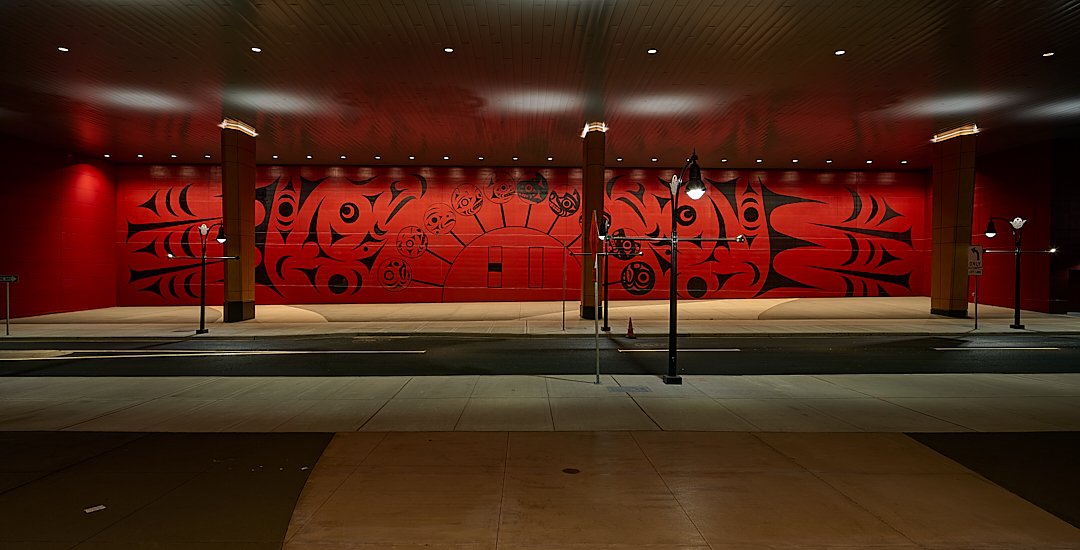
Event Center entrance bathed in soft light, featuring a mural of Salish tribal ancestors images

Step off the escalator and begin to explore in any direction! Glass Artwork by Artist Anthony Duenes

Flavors of the Northwest await inside the Puyalapabs Cafe. Café lanterns feature traditional basket-weave patterns, while the coffee bar's paddle wheel design pays homage to The Emerald Queen's origins as a paddle-boat casino.

Beautiful architectural screening and Puyallup artwork work beautifully to provide both light and air for the parking garage.

PCS Structural Solutions played a crucial role in the successful construction of the Emerald Queen Casino's parking structures. Their expertise in structural engineering and innovative design solutions contributed to the functionality, safety, and aesthetic appeal of these important facilities.

This atrium view shows off the huge chandelier that greets visitors as they arrive through the lower secure entry. The Puyallup Tribe infused a wealth of design elements throughout the casino celebrating their rich heritage and connection to the land.

“Doug’s photos captured the anticipatory excitement of the Emerald Queen Casino. They give the viewer the feeling of being the first guest entering the space—being able to take in all of the Casino’s sights and features before anyone else. Even post pandemic restrictions, the photos convey a true VIP experience” ~ Erin Mayer, Director of Marketing, Absher Construction Company

A one of a kind chandelier in the center of the gaming area greets visitors.

Aubergine walls and reflective champagne columns recall the dappled light of forests and open spaces, while hanging crystals and lighting mimic the movement of clouds. Cedar trunks, strips, and a moss palette create intimate high-limit areas.

A Haunting Beauty with a Hint of Mystery: Photographing this casino was more about capturing the soul of an architectural giant. In the absence of the usual human drama, the focus shifts to the interplay of light and shadow, the subtle curves of the flowing spaces, the geometric precision of a chandelier's design. It's a chance to appreciate the artistry poured into these monuments to entertainment, often obscured by the glitz and clamor of their normal operation.

This stunning view moves the viewer from the lobby to the gaming floor above with floor to ceiling artwork that spans the entire space.

“In 2021, our project team was recognized for their outstanding interior work on the Emerald Queen Casino. Many pieces came together to make this possible, including Doug’s photography. His photos beautifully showcased the intricacies of the interior and made it clear the work was worthy of recognition. To some, construction is a form of art, and Doug is able to capture that in his images” ~ Cooper Howard, Marketing Coordinator, Western Partitions Inc.

For me, this was more than just an architectural project…it was a moment in our collective history. Where even the most vibrant of spaces fell silent for a time. A reminder of the enduring power of architecture, a silent language that speaks of ambition, hopes, and dreams. A once-in-a-lifetime opportunity to witness the true grandeur, haunting beauty, and soul-stirring silence of this architectural giant in a state of pandemic slumber. All captured with a sense of flair that truly honors their award-winning designs.

The Puyallup Tribe's native language is incorporated in signage and other elements, showcasing their linguistic heritage. Porte Cochere / Valet artwork by Artist Anthony Duenes

Traditional and contemporary Coast Salish art work designed by Tribal members is featured throughout. I really loved capturing this flowing piece by Artist Anthony Duenes

Cedar trunks, strips, and a moss palette create intimate high-limit areas.

Woven throughout the casino's design are traditional and contemporary Coast Salish elements crafted by Puyallup tribal members, blending past and present in a stunning artistic tapestry.

“Capturing the flowing layout, tribal artwork, and unique forms and surfaces all worked together to be an awe-inspiring experience” ~ Doug Walker, M.Photog.

The original Summit Sports Bar featured windows with views to Mt Rainier.

Western Partitions Inc. performed extensive interior and exterior walls and ceilings work. They specialize in envelope work and on this build used the DensElement Barrier System which was instrumental in saving time and steps in the construction process…especially beneficial in the rainy Pacific Northwest.

Interior elements subtly weave in and draw influence from the textures, shapes, and colors of the mountains, rivers, and forests that define Puyallup tribal land.” ~ Cuningham Group

Frog murals which grace each side of the Paddle Wheel Coffee and Bakery located inside the new Emerald Queen Casino. Artist Shawn Peterson

The exterior skin prominently features a black and white basket weave pattern, a traditional Puyallup motif symbolizing community and strength. Red accents and organic textures add life and draw visitors upwards.

Casino Bar with views out to the North

Transitional illuminated art rises from the Atrium to the Gaming floor above meets patrons as the make their way up to the gaming floor.

Aerial drone view across I-5 of the Emerald Queen Casino looking to the Southwest.

A unique approach has this build sitting amidst the bustling streets of Tacoma, Washington. The Emerald Queen Casino stands as a beacon of innovation and cultural pride. By strategically placing the gaming floor and other amenities four levels above the ground, supported by two massive parking garages below, the casino reclaims lost space and creates a visually striking landmark. This audacious move not only overcomes the limitations of the grid but also grants visitors stunning panoramic views. From the bustling streets of downtown Tacoma to the snow-capped peak of Mount Rainier and the serene expanse of Puget Sound, the Emerald Queen Casino offers a perspective unlike any other.

In essence, the new Emerald Queen Casino is not just a place for gaming; it's a living tribute to the Puyallup Tribe's history, culture, and values, woven into every design element.

Larson Recreation Center - See how Driftmier Architects helped The City of Moses Lake UP THEIR GAME!

Larson Recreation Center - See how Driftmier Architects helped The City of Moses Lake UP THEIR GAME!

I recently had the pleasure to work with Michael Winnick of the Driftmier Architects on telling the visual story of one of their latest architectural projects … The Larson Recreation Center in Moses Lake, Washington.

Read More

Cowlitz 911 Call Center - Emergency Operations Center

Cowlitz 911 Call Center - Emergency Operations Center

Congrats to Rice Fergus Miller on their successful design and completion of the new Cowlitz 911 Call Center located in Longview, Washington. I was proud to have been brought on board to help tell the story of this great new space.

Read More